


Iran in 1973
14 - 30 October 1973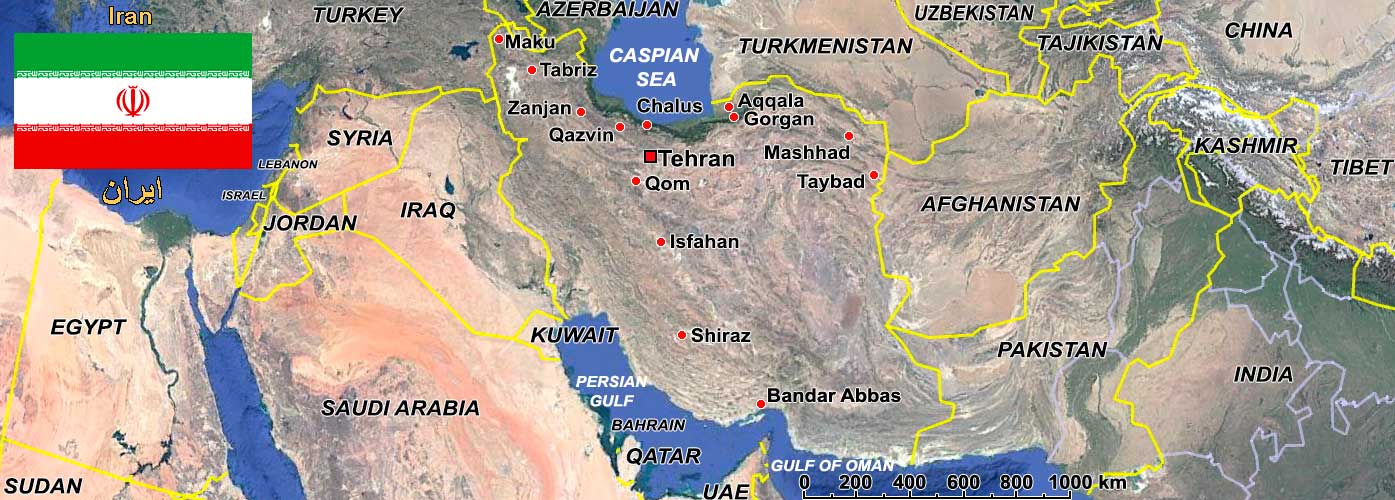
Iran’s history spans millennia, marked by powerful empires, cultural continuity, and repeated transformation. Human settlement dates back over 100,000 years, with early civilisations like the Elamites emerging around 3000 BCE. By the 6th century BCE, the Achaemenid Empire—founded by Cyrus the Great—had become one of the largest empires of the ancient world, known for its administrative sophistication and relative tolerance. It fell to Alexander the Great in the 4th century BCE, after which Iranian rule was reestablished under the Parthian (247 BCE–226 CE) and Sasanian (226–651 CE) empires, the latter representing a high point of pre-Islamic Persian culture and Zoroastrian religion.
The Arab conquest in the 7th century introduced Islam, gradually transforming Iran into a major centre of Islamic civilisation while preserving the Persian language and identity. Various dynasties—often of Turkic or Mongol origin—ruled Iran for centuries, contributing to a rich, hybrid culture. The Safavid dynasty (1501–1736) was especially significant, establishing Twelver Shiʿism as the state religion, a defining feature of modern Iran. In the 19th century, under the Qajar dynasty, Iran faced growing interference from Russia and Britain. This led to internal reform movements and, eventually, the rise of Reza Shah Pahlavi in 1921, who pursued modernisation and centralisation. His son, Mohammad Reza Shah, continued these policies but faced increasing opposition.
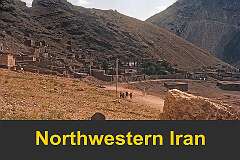
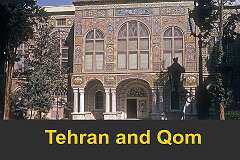
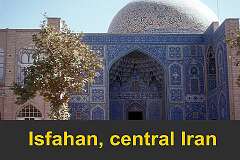
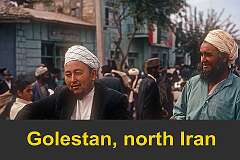
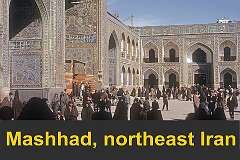
In 1979, the Iranian Revolution overthrew the monarchy and established an Islamic Republic under Ayatollah Ruhollah Khomeini. Since then, Iran has combined republican institutions with clerical authority. The late 20th and early 21st centuries have seen war (notably with Iraq), tensions over its nuclear program, and cycles of reform and repression, alongside persistent regional and global influence. These photos, however, were taken in 1973, when Iran was still under the Shah.
The Arab conquest in the 7th century introduced Islam, gradually transforming Iran into a major centre of Islamic civilisation while preserving the Persian language and identity. Various dynasties—often of Turkic or Mongol origin—ruled Iran for centuries, contributing to a rich, hybrid culture. The Safavid dynasty (1501–1736) was especially significant, establishing Twelver Shiʿism as the state religion, a defining feature of modern Iran. In the 19th century, under the Qajar dynasty, Iran faced growing interference from Russia and Britain. This led to internal reform movements and, eventually, the rise of Reza Shah Pahlavi in 1921, who pursued modernisation and centralisation. His son, Mohammad Reza Shah, continued these policies but faced increasing opposition.
In 1979, the Iranian Revolution overthrew the monarchy and established an Islamic Republic under Ayatollah Ruhollah Khomeini. Since then, Iran has combined republican institutions with clerical authority. The late 20th and early 21st centuries have seen war (notably with Iraq), tensions over its nuclear program, and cycles of reform and repression, alongside persistent regional and global influence. These photos, however, were taken in 1973, when Iran was still under the Shah.