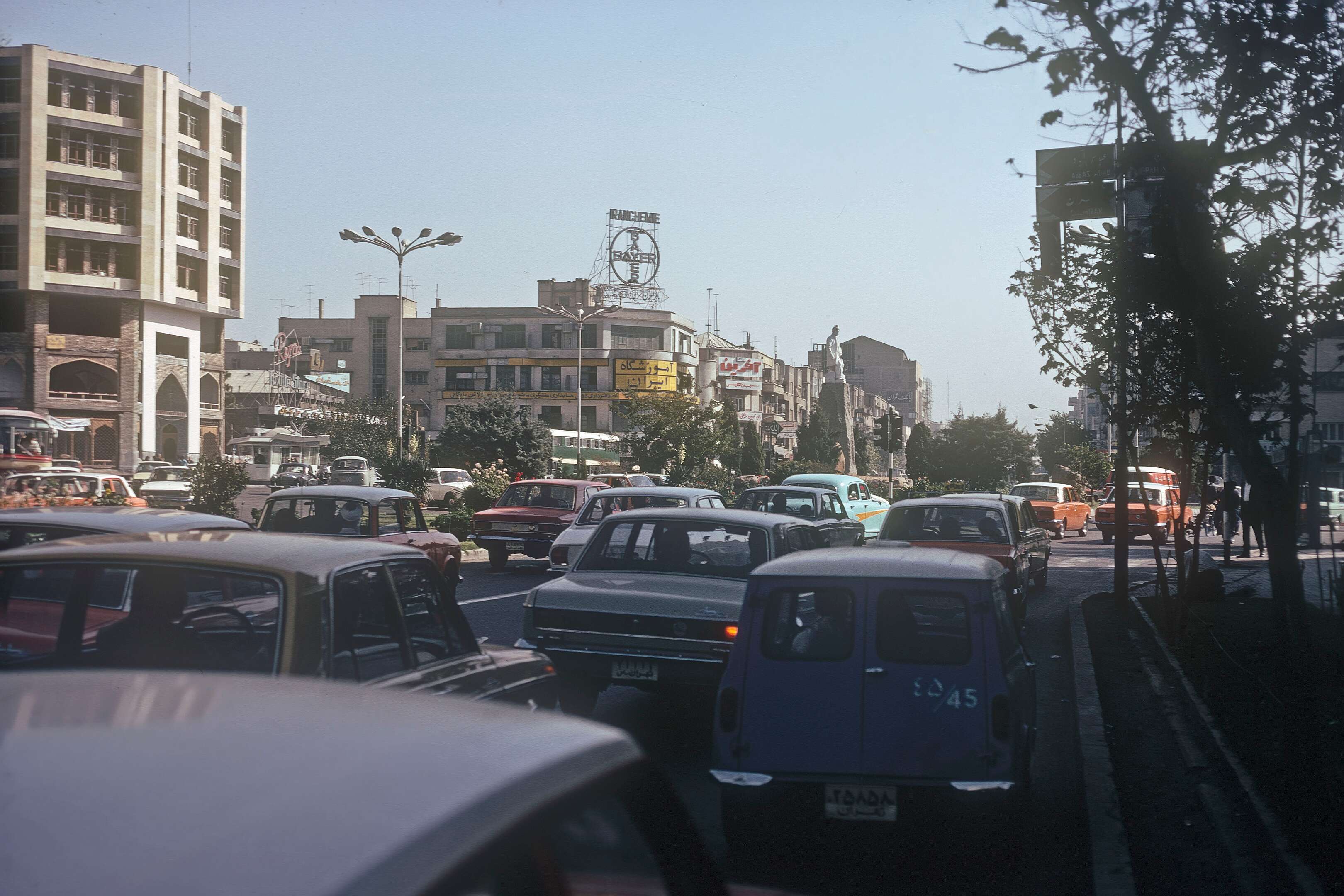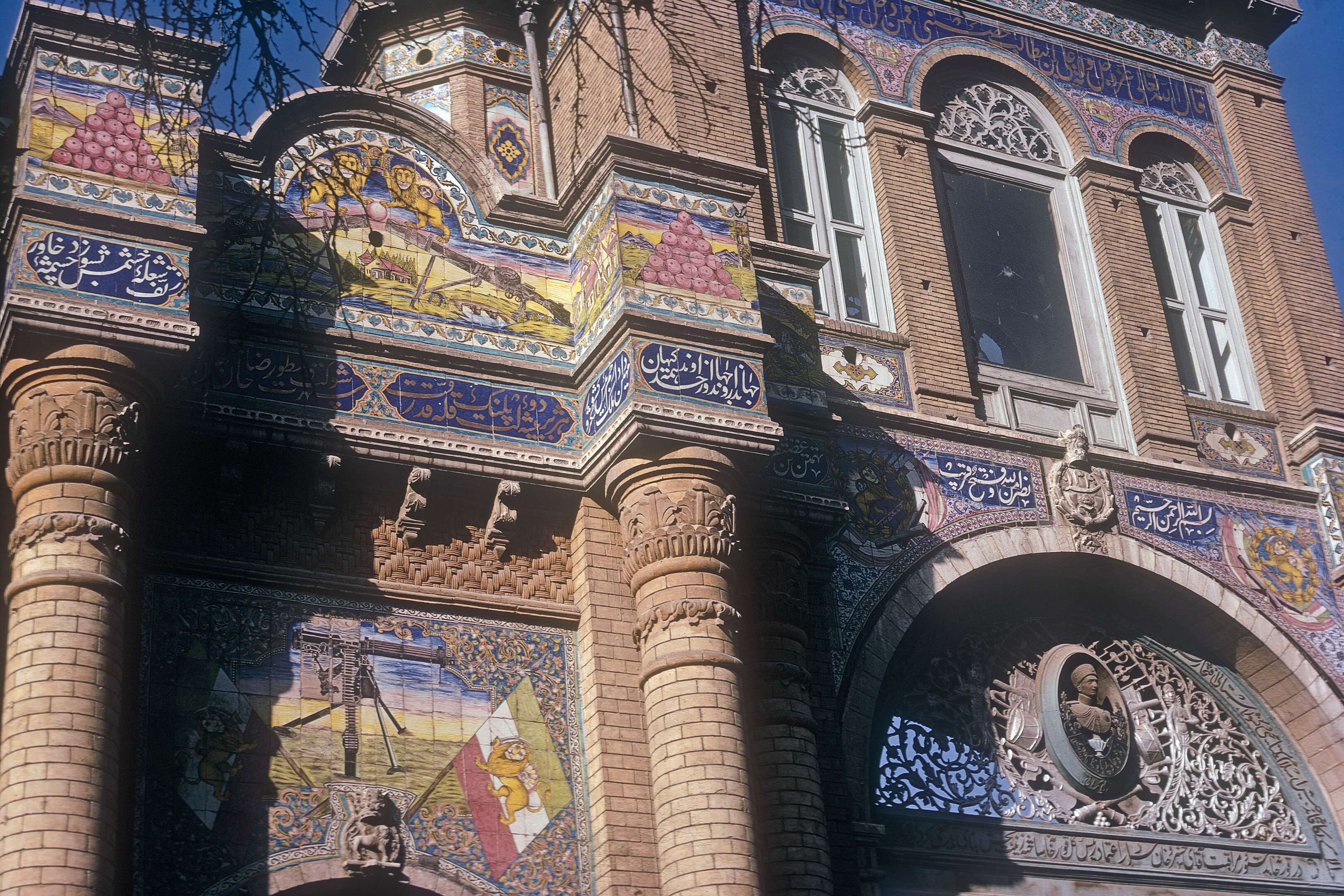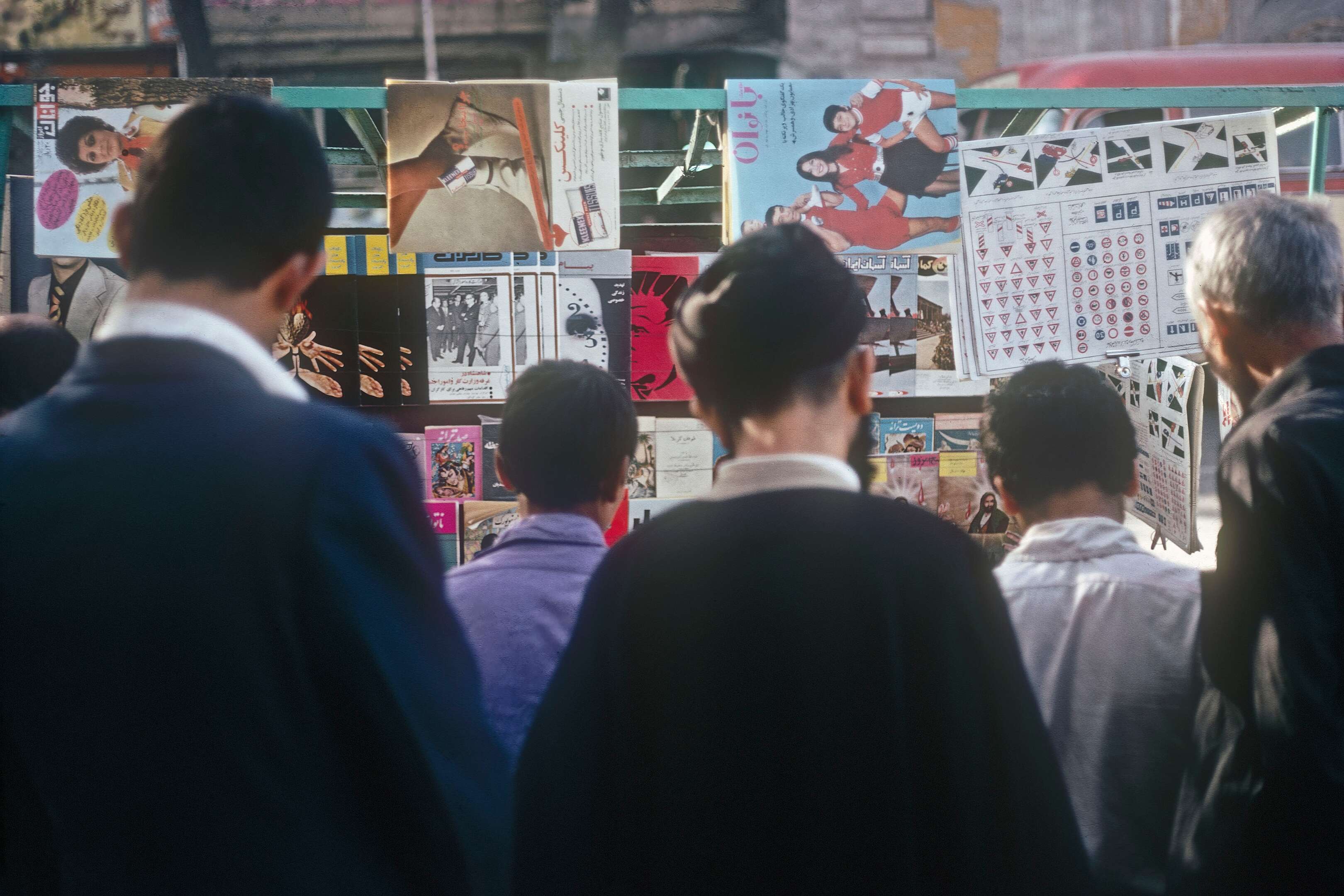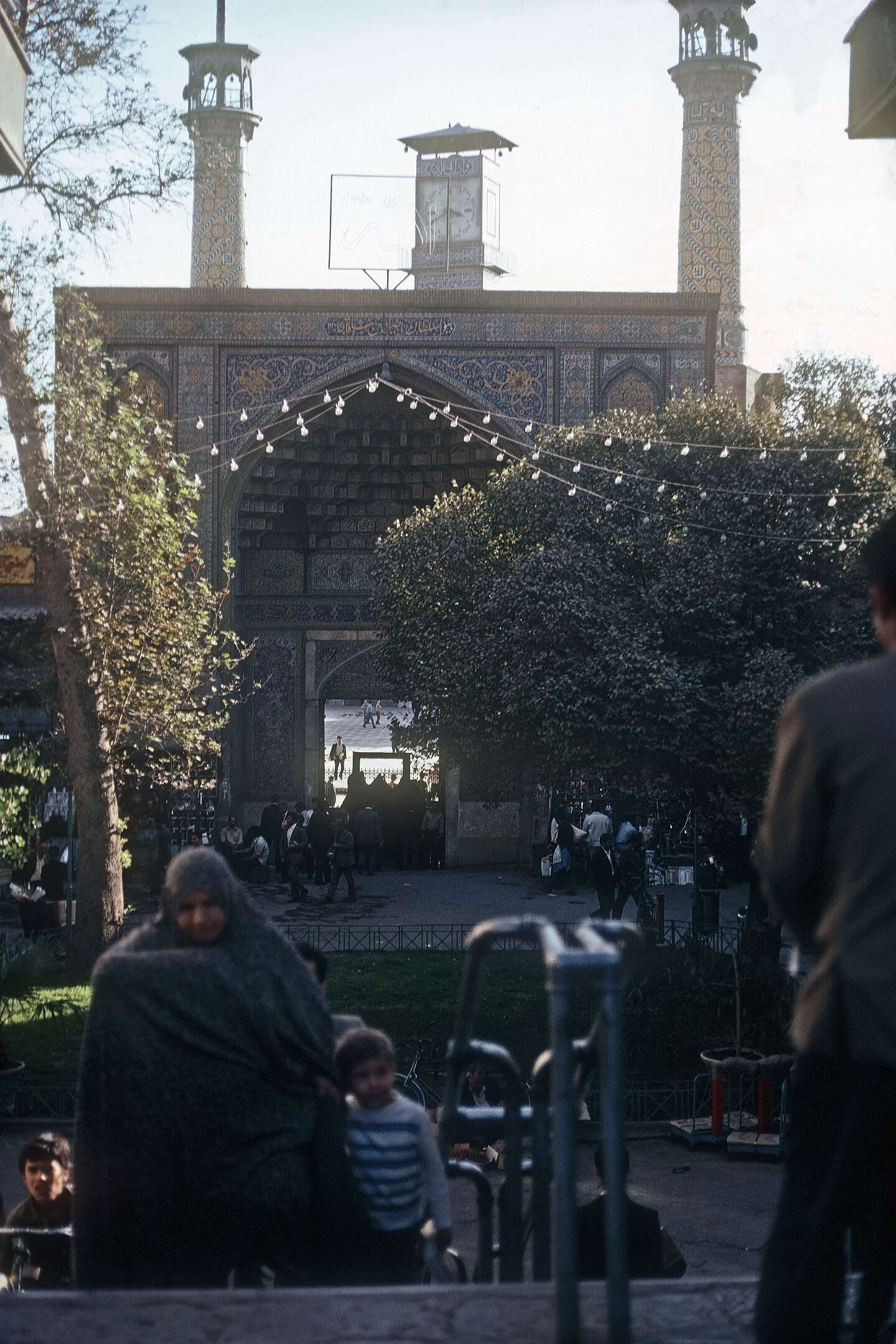




Tehran, Iran's capital city and the holy city of Qom
16-22 October 1973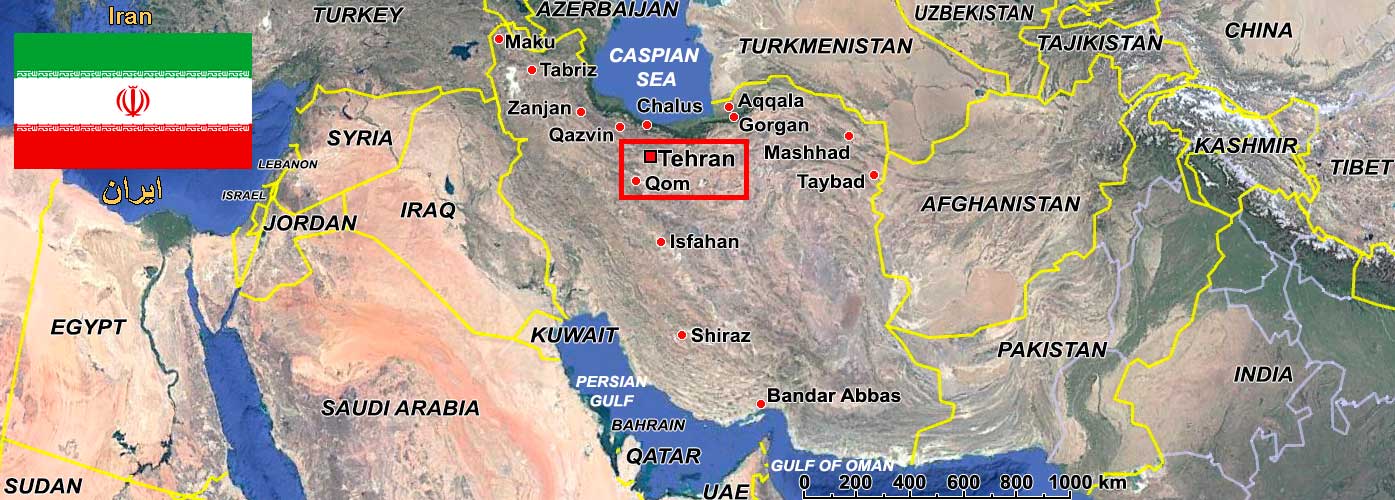
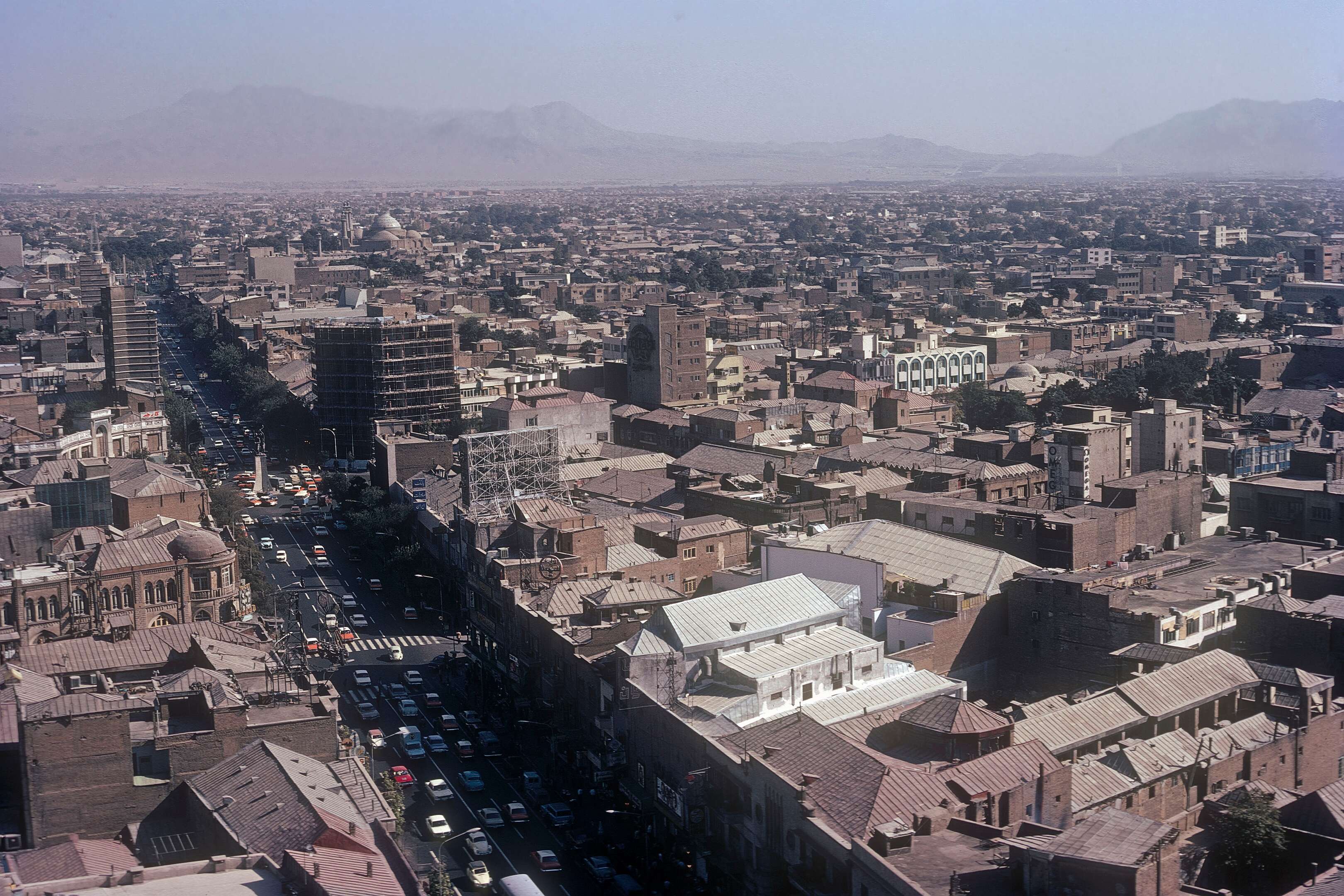
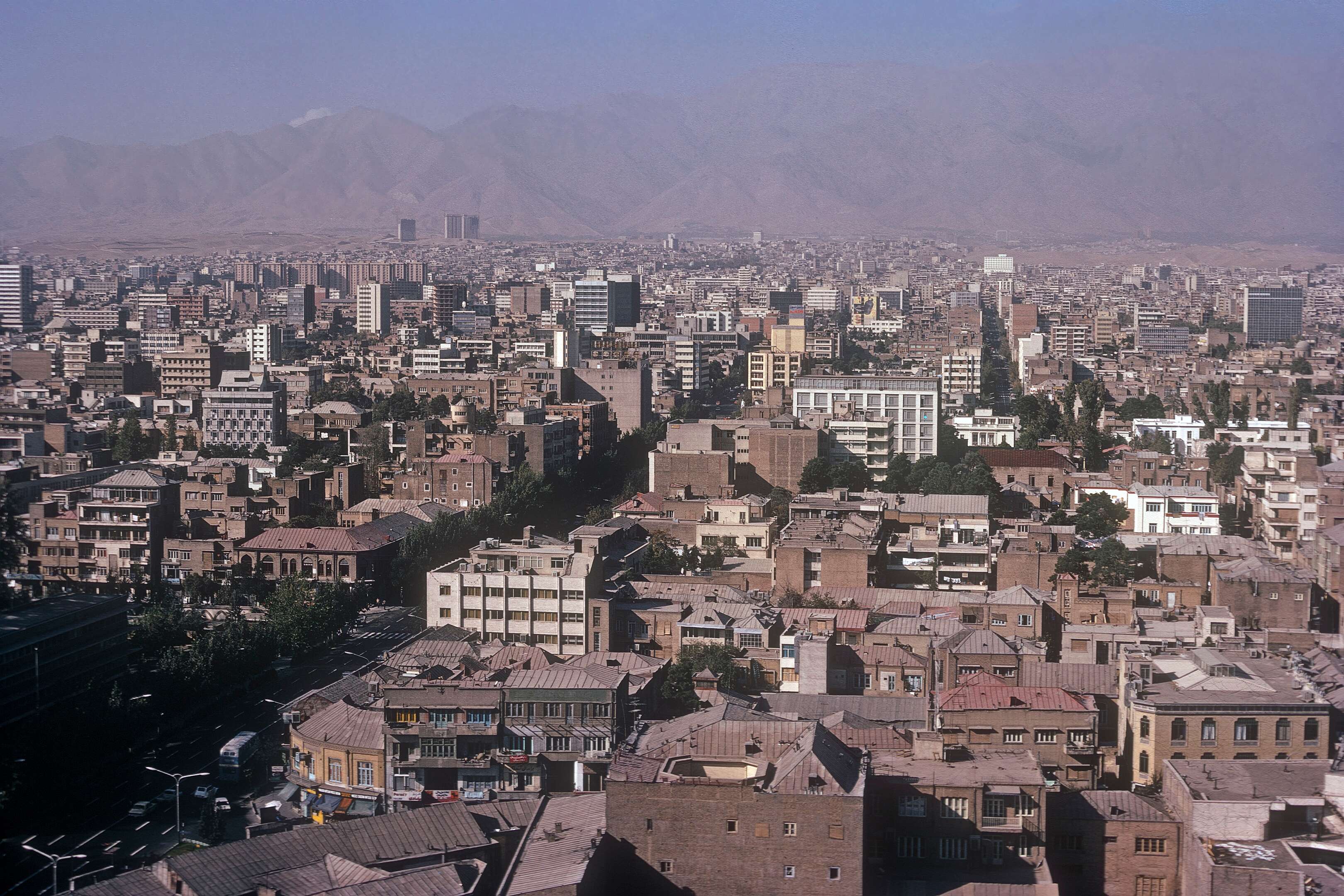
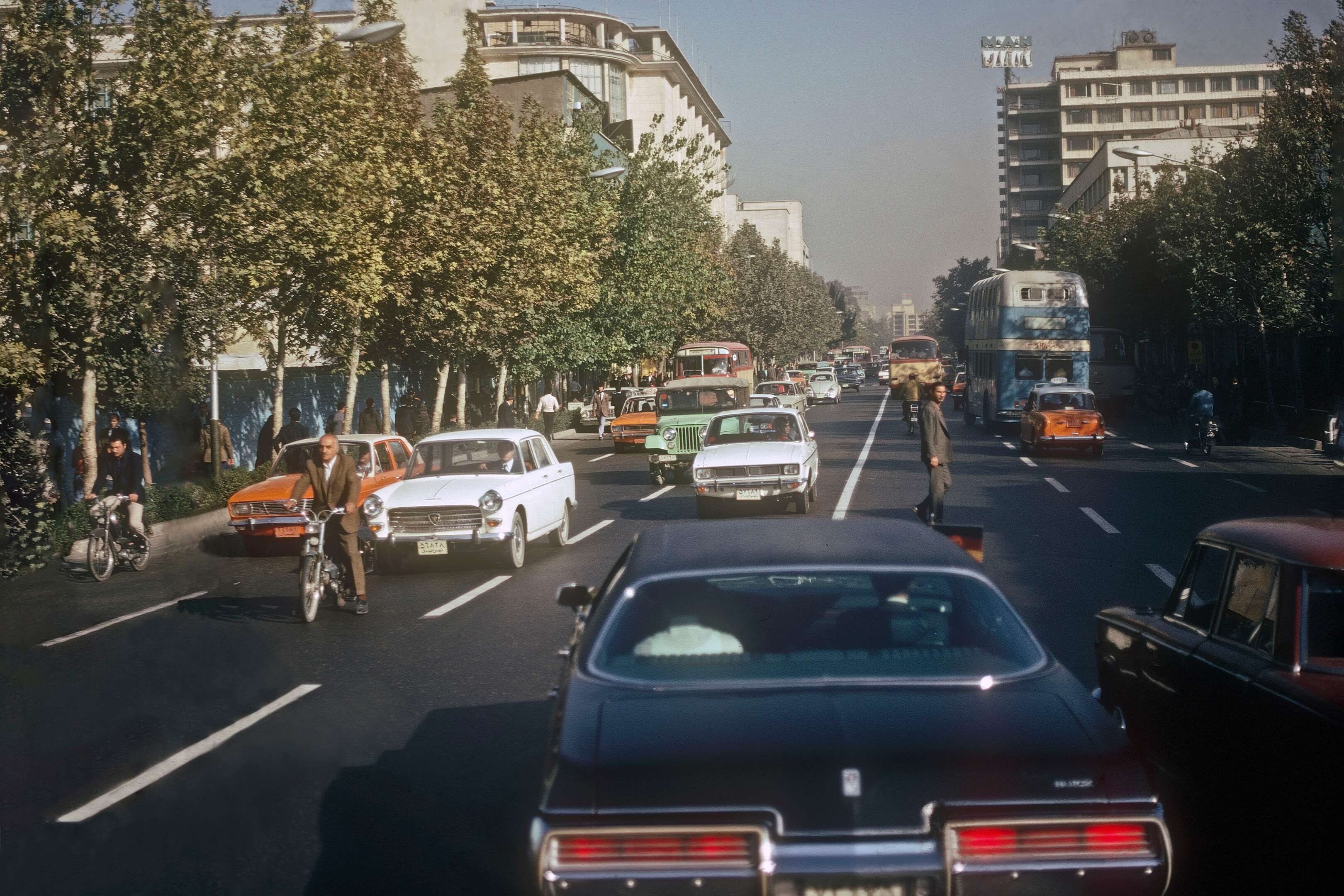
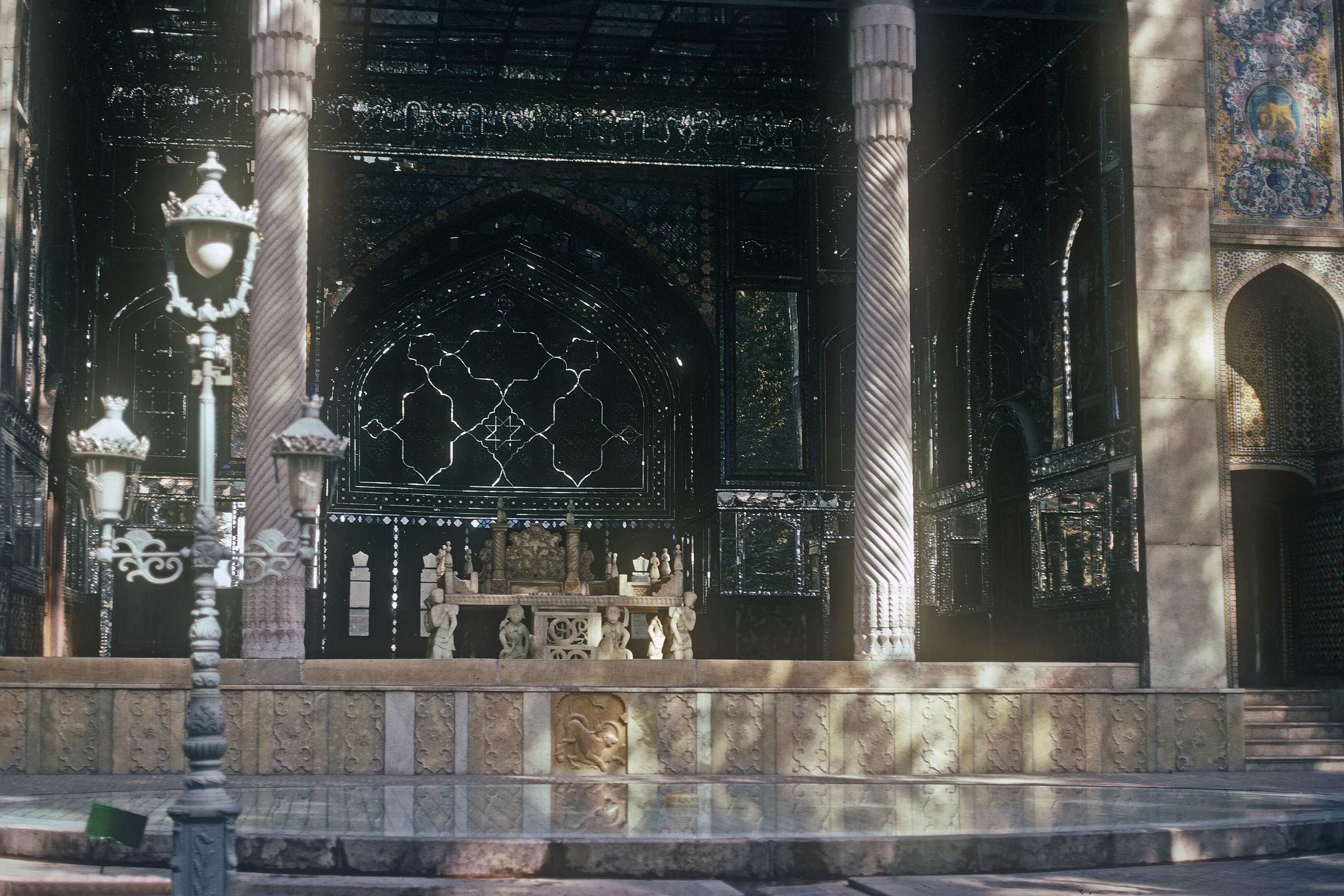
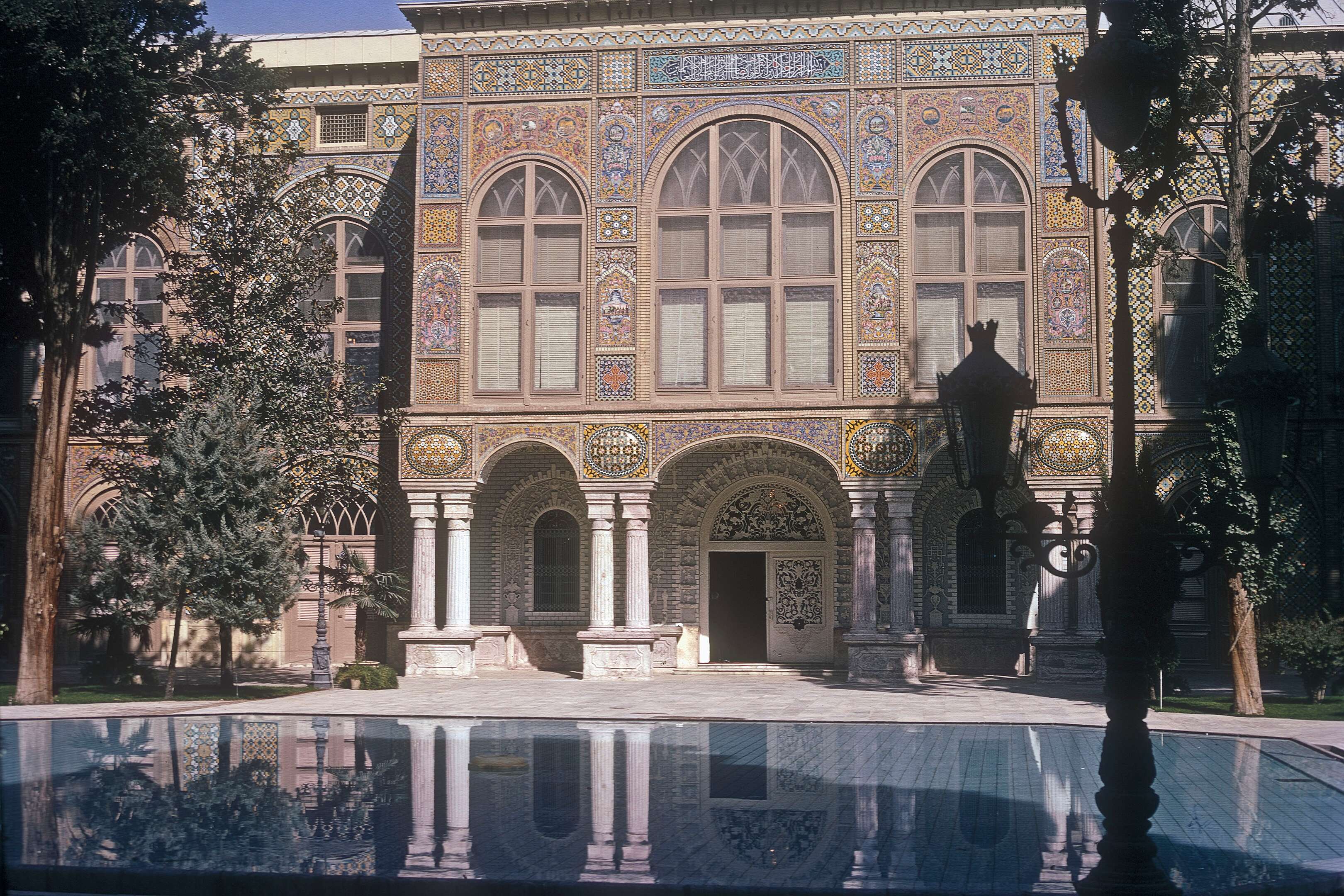
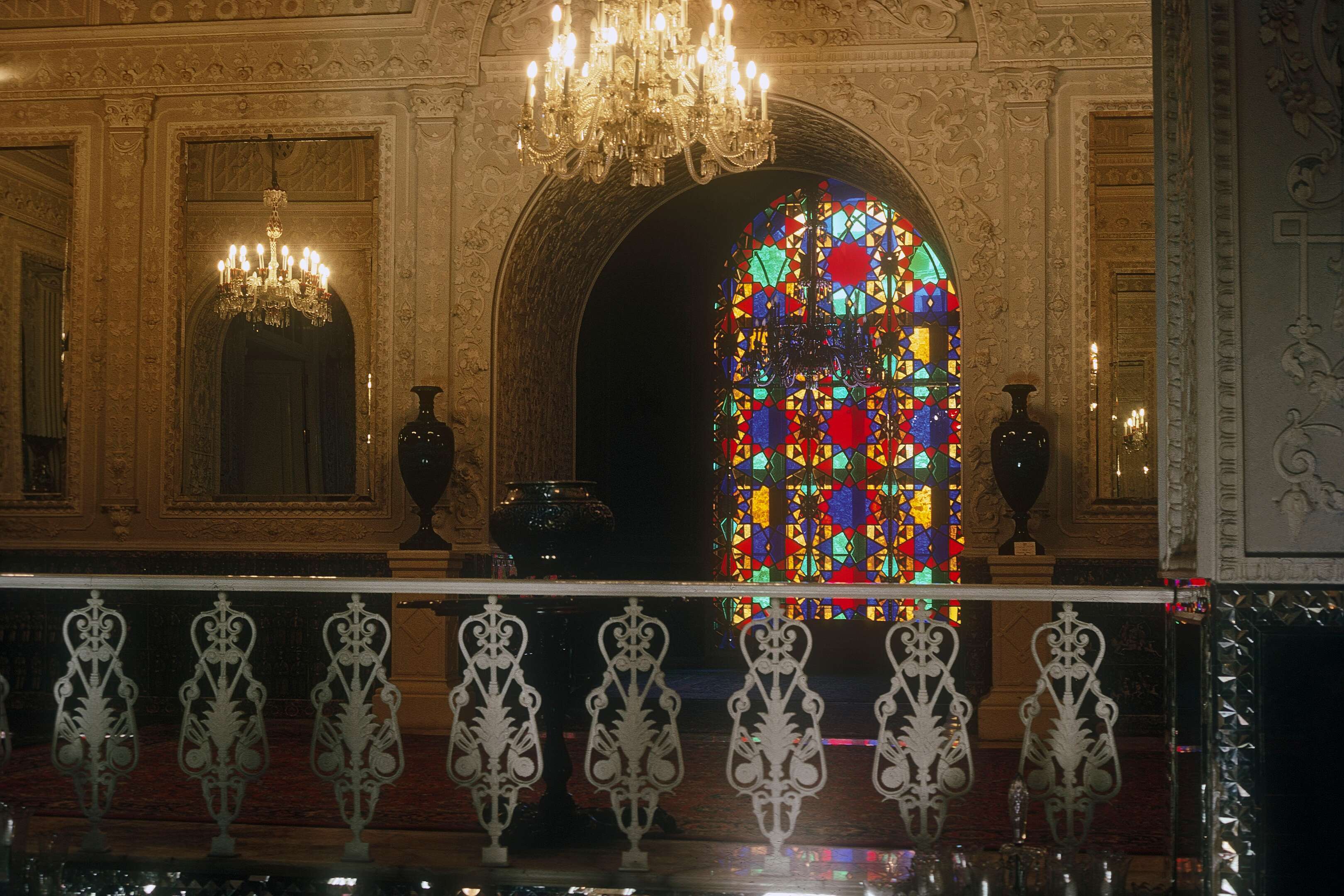
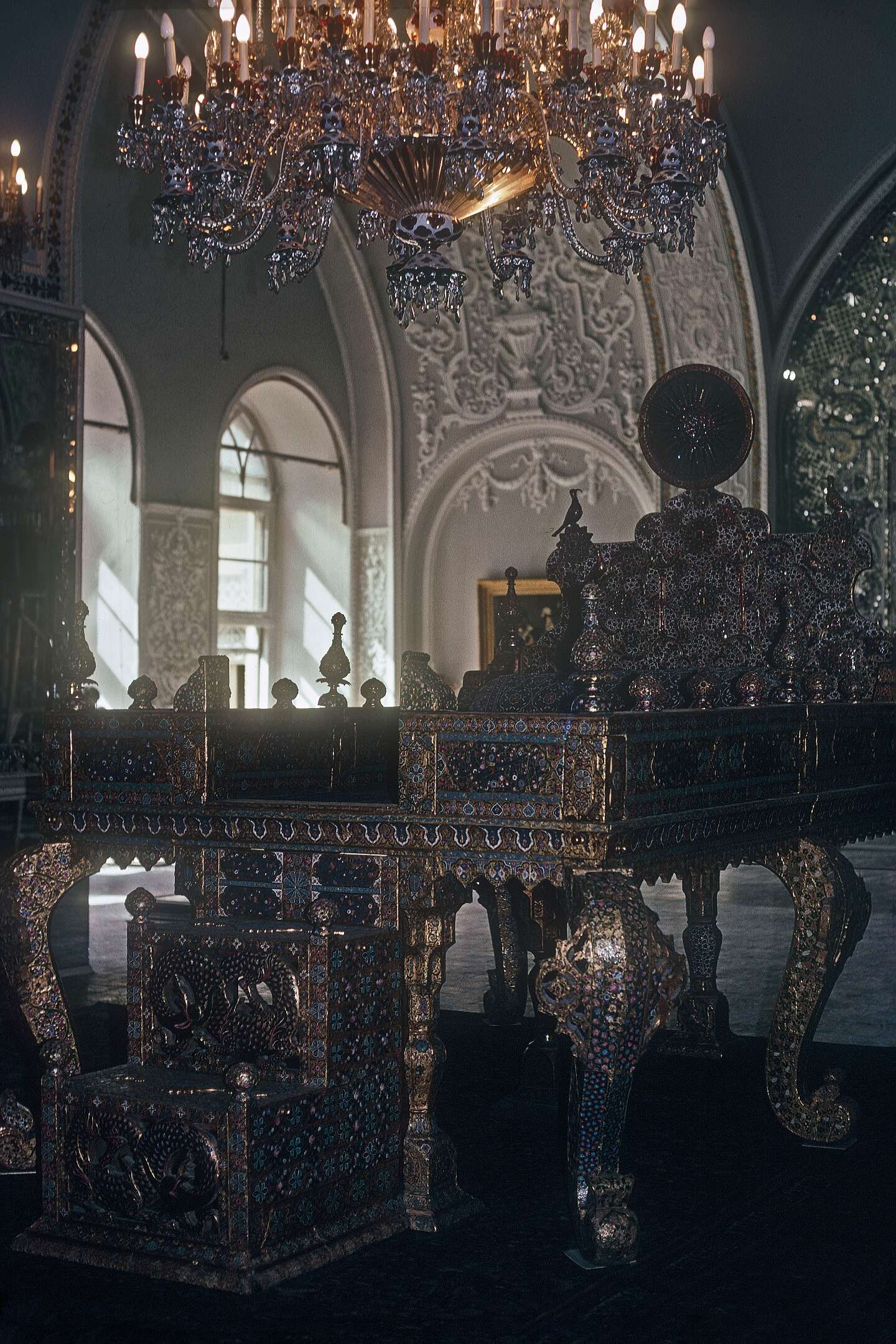
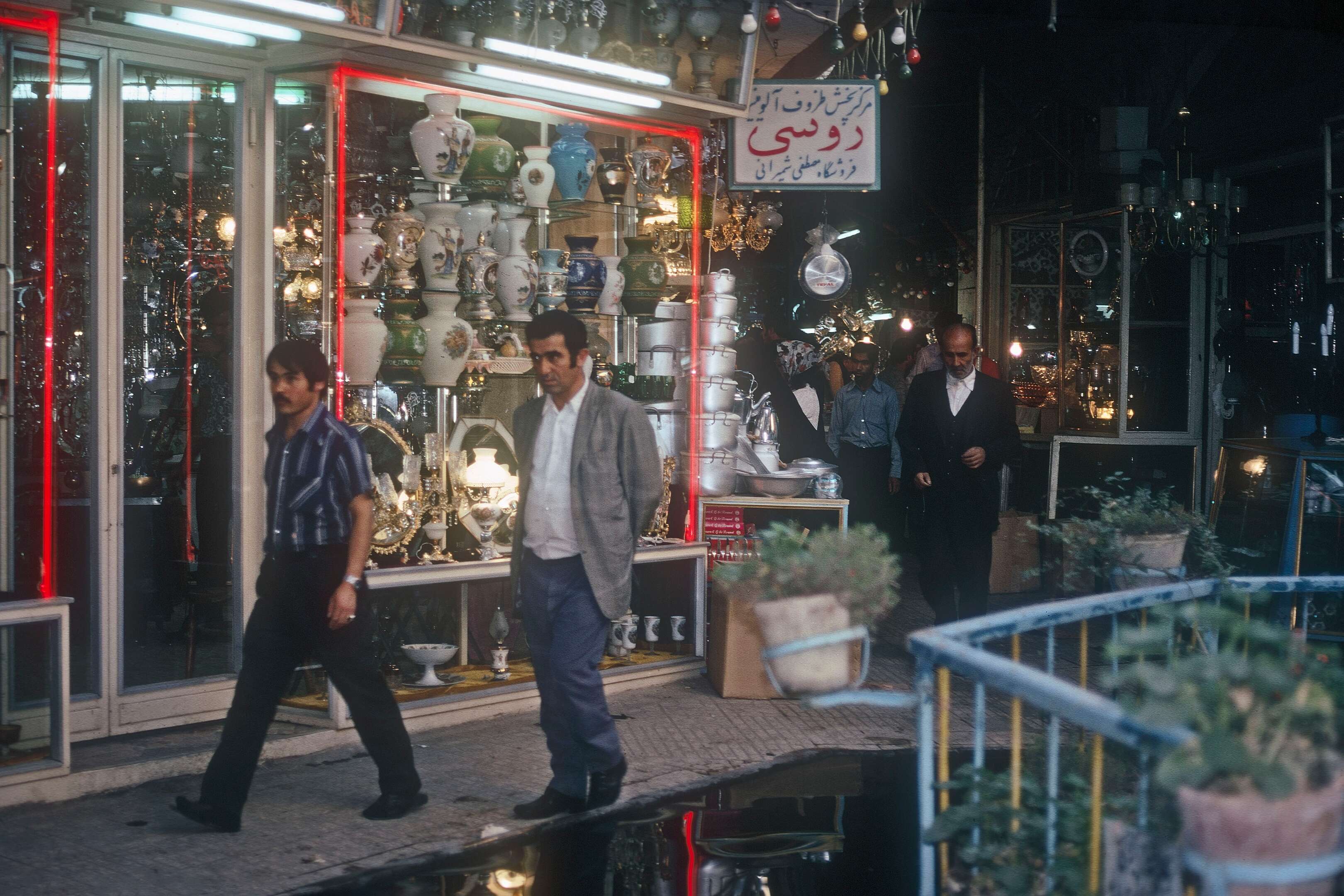
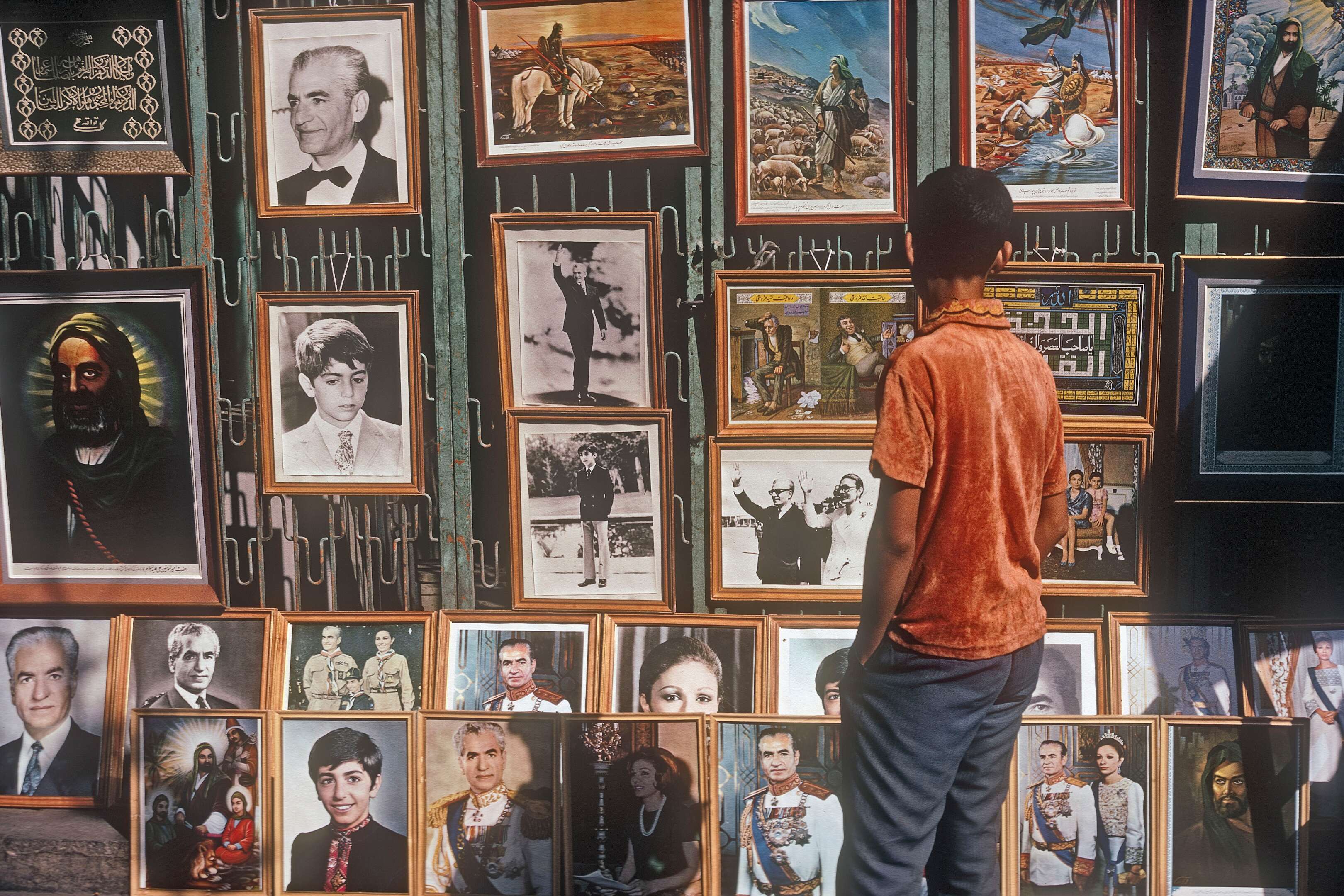
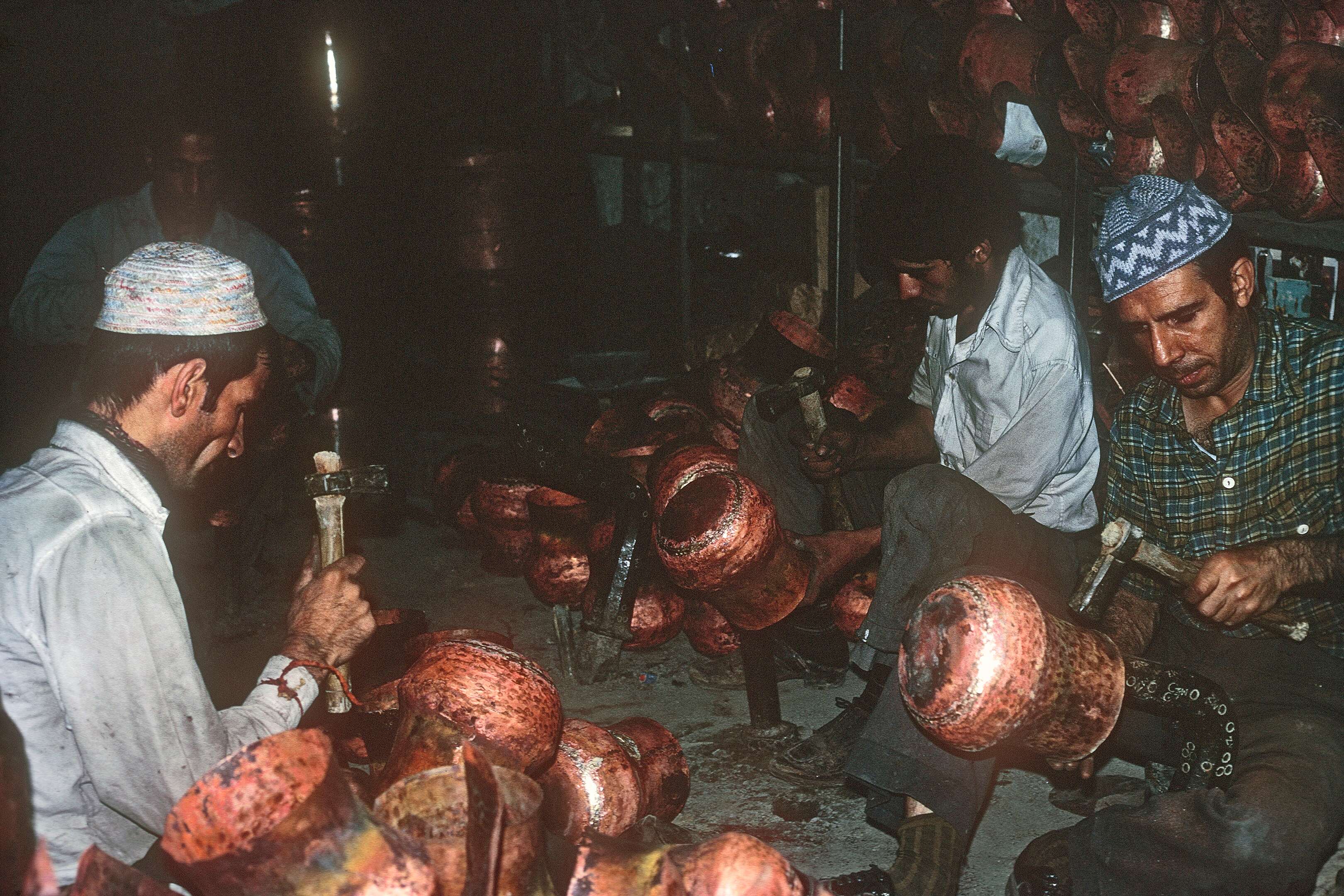
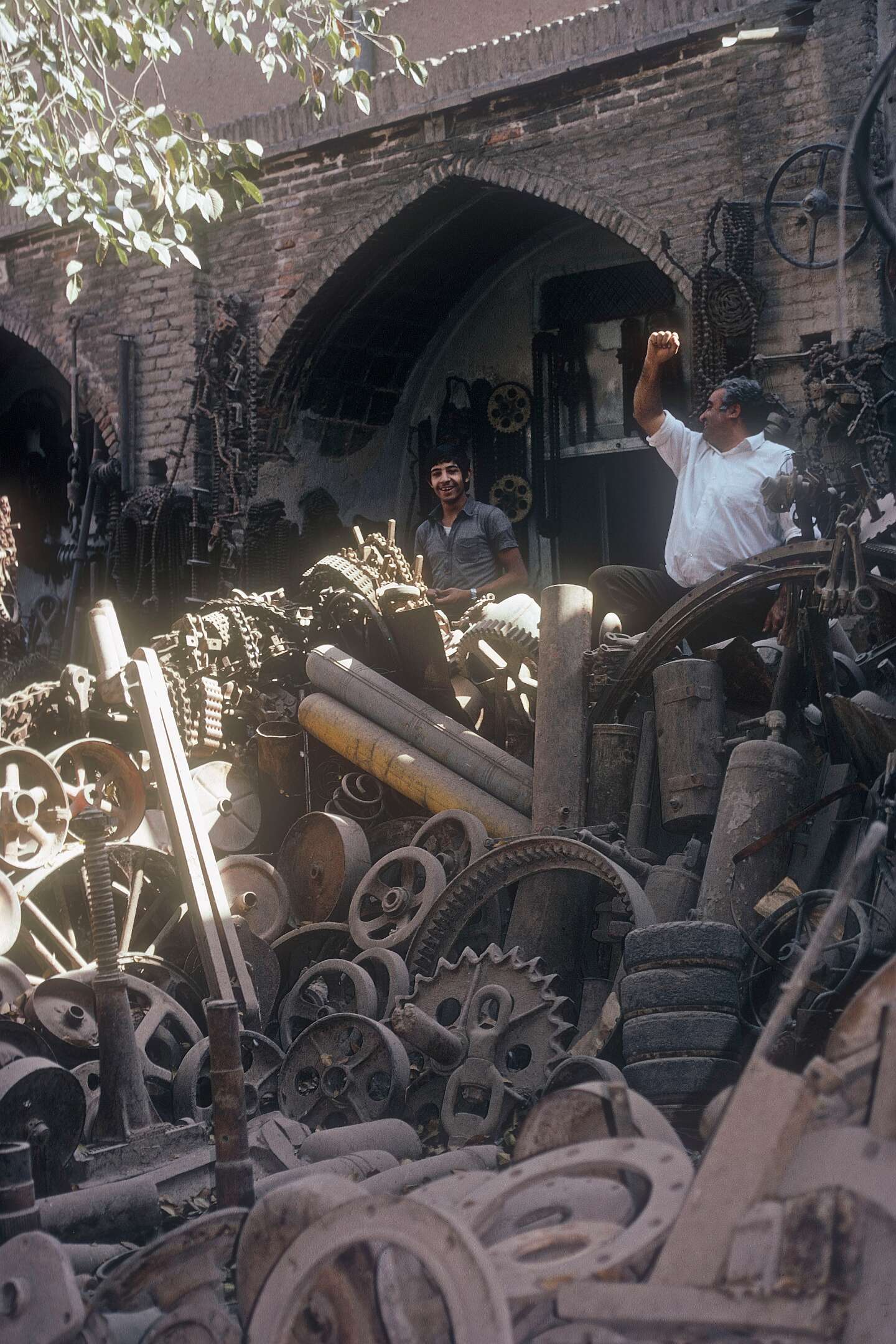
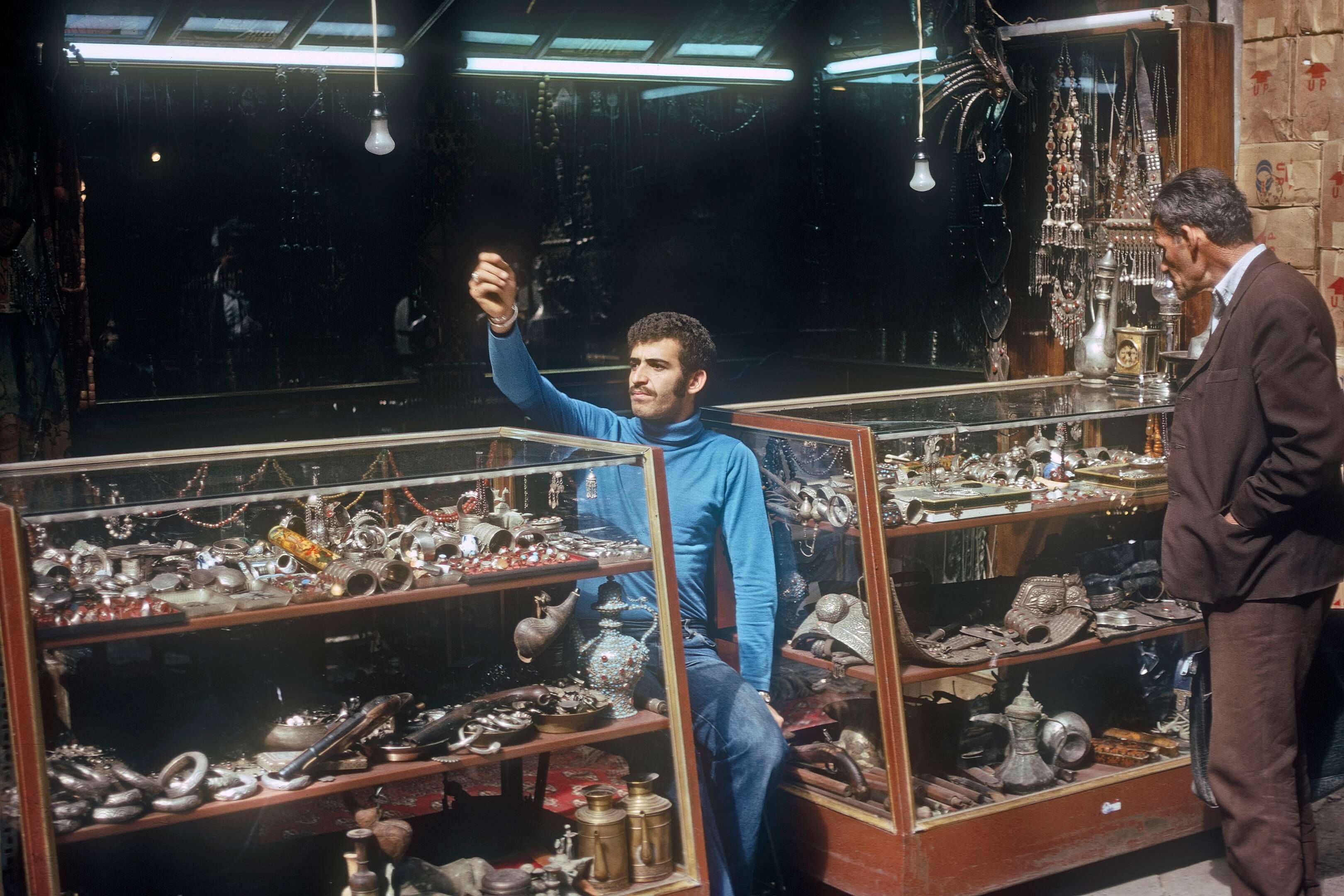
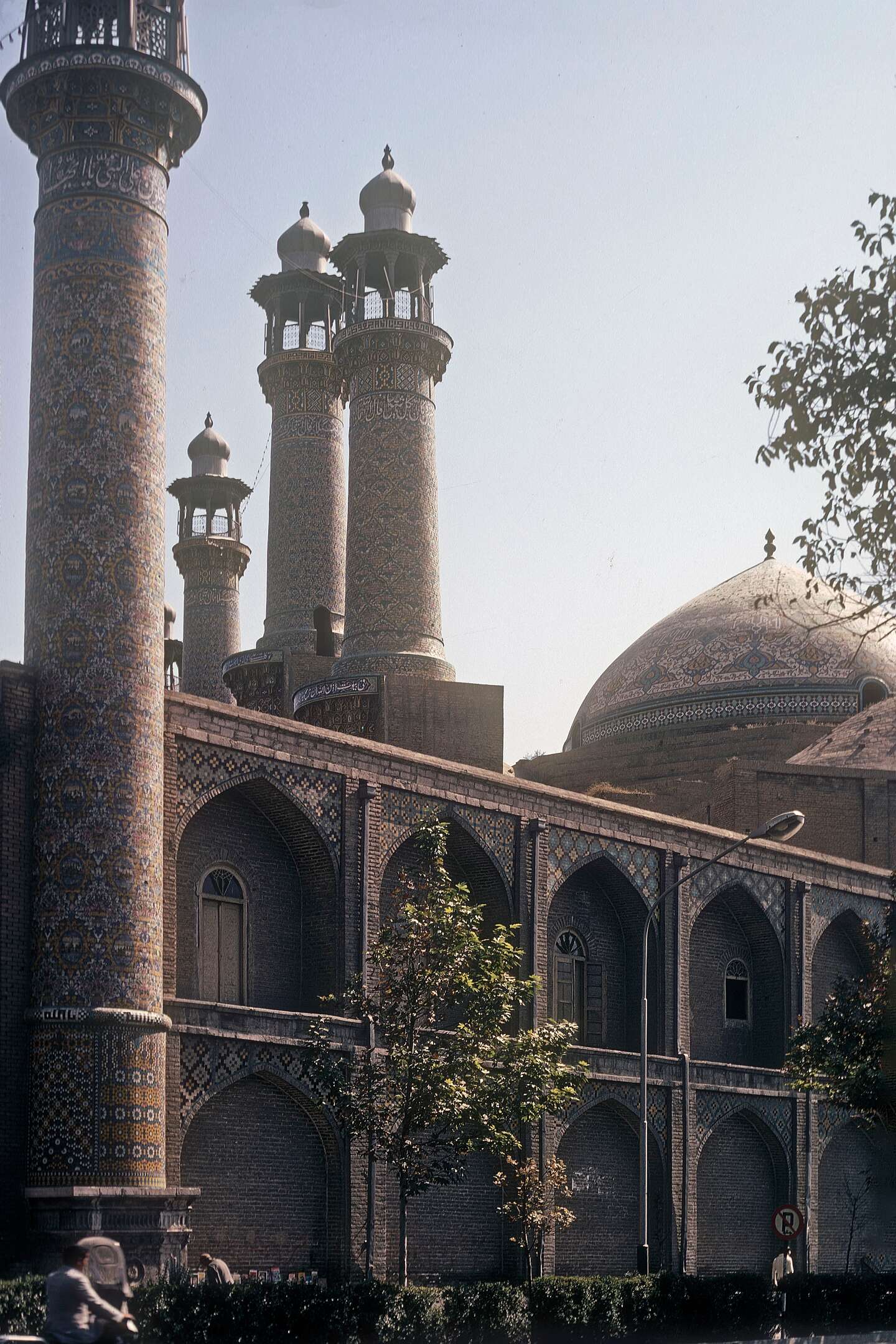
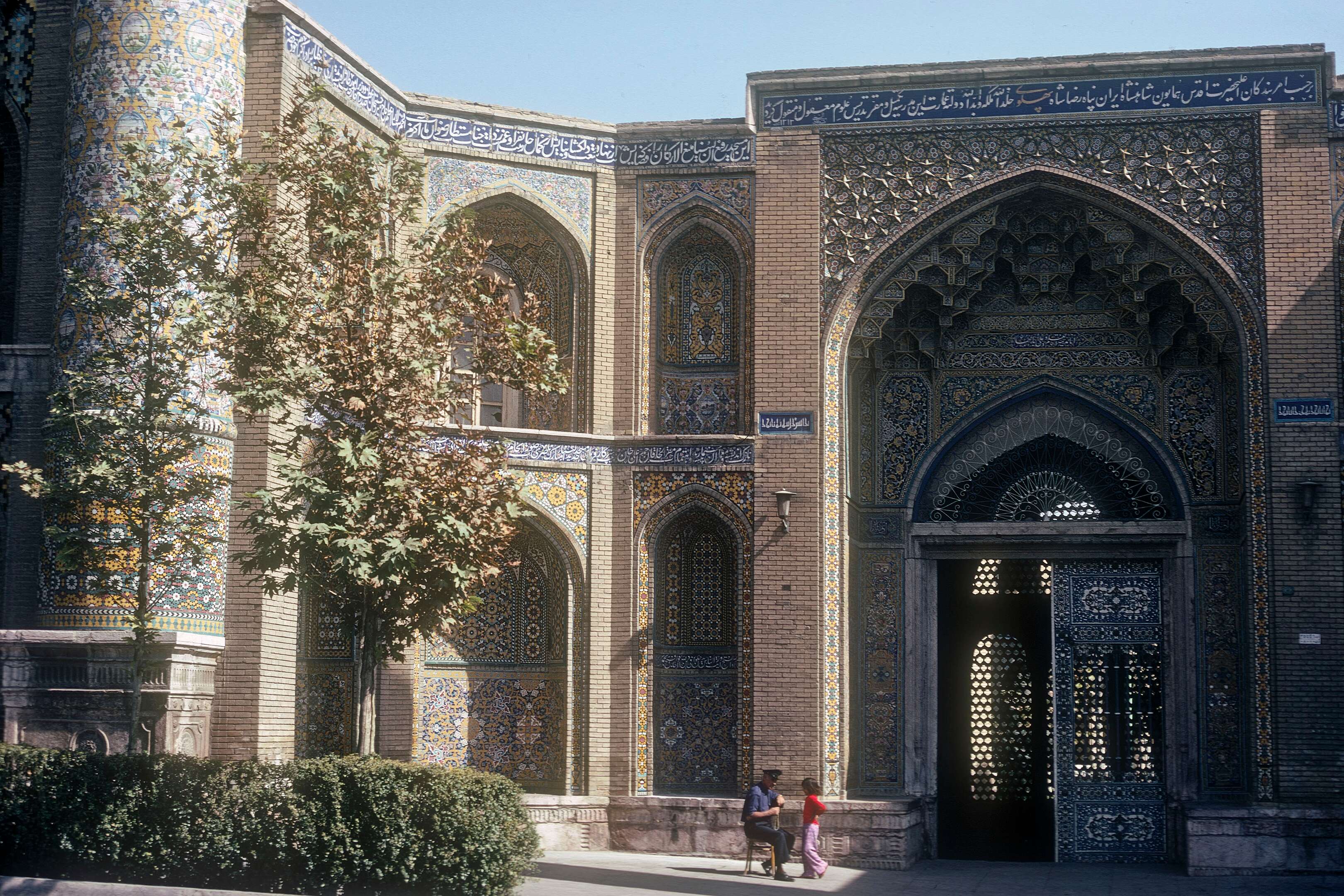
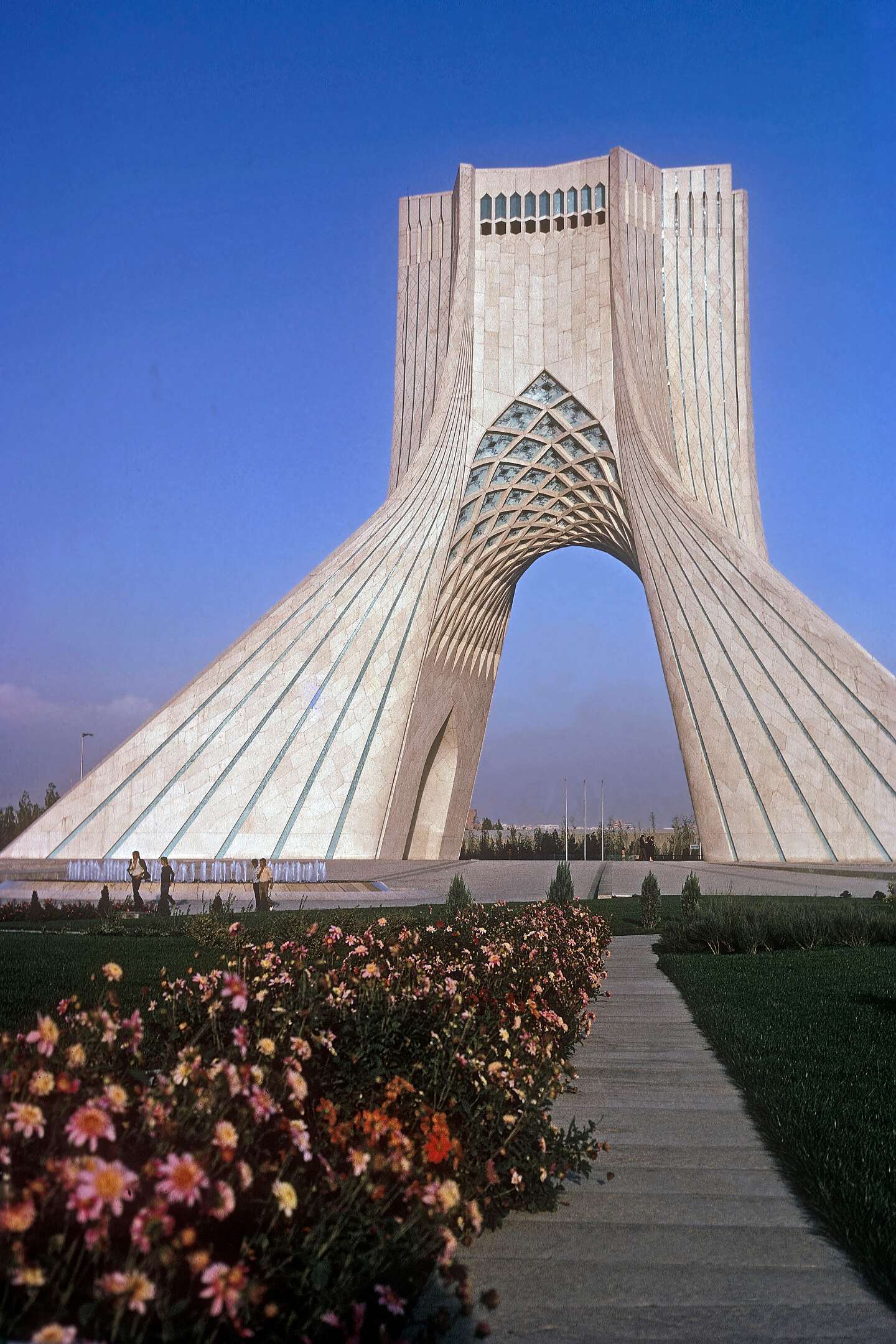
Tehran, the capital since the late 18th century, lies on the southern slopes of the Alborz Mountains, overlooking the arid interior. It is Iran’s largest city and administrative, economic, and cultural hub, with a vast, sprawling urban landscape shaped by rapid 20th-century growth and migration. Its setting between mountains and desert produces a dry climate with marked seasonal variation. The city blends historic quarters—such as its traditional bazaar and former royal complexes—with modern districts, highways, and high-rise developments, reflecting its role as the country’s political and economic core.
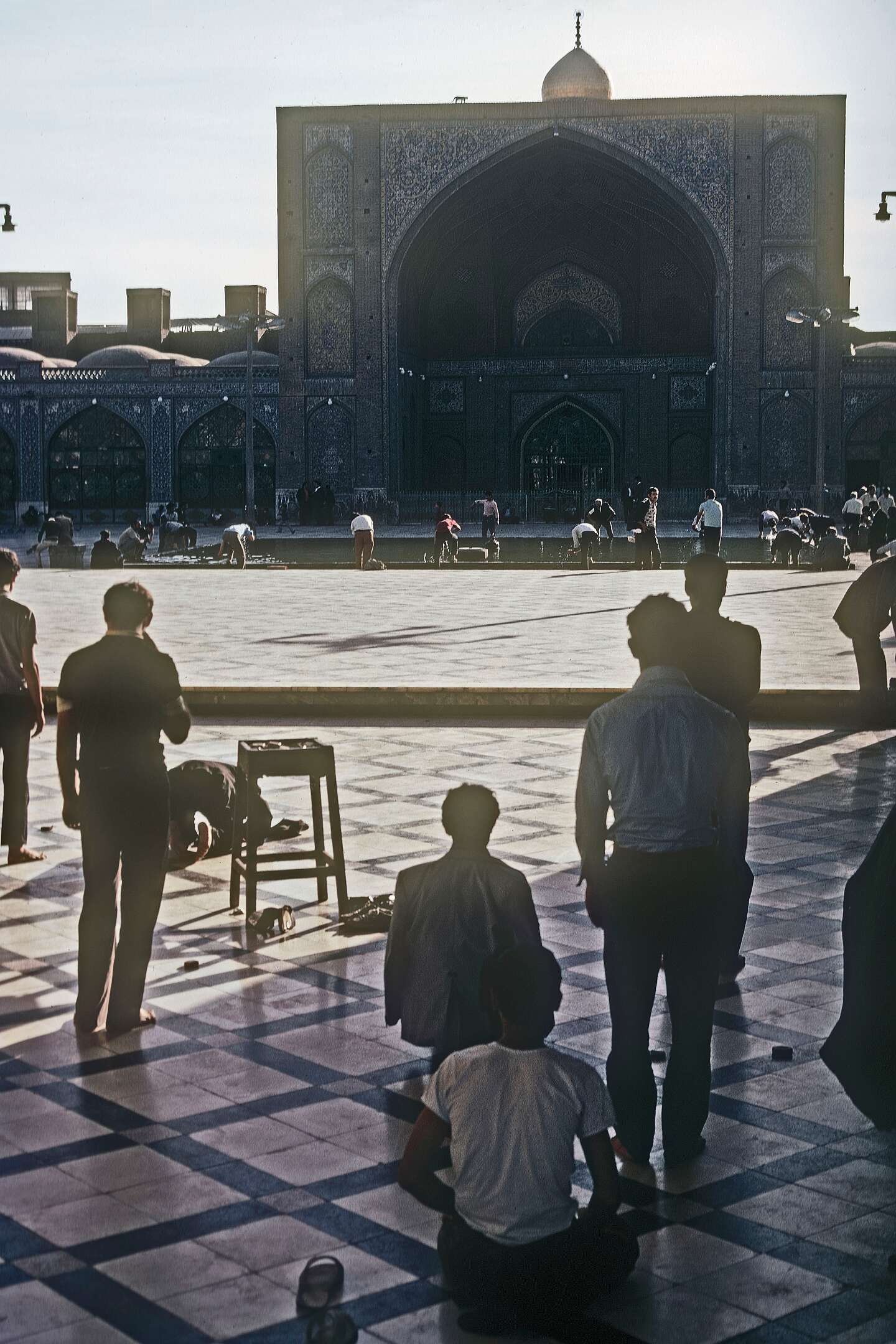
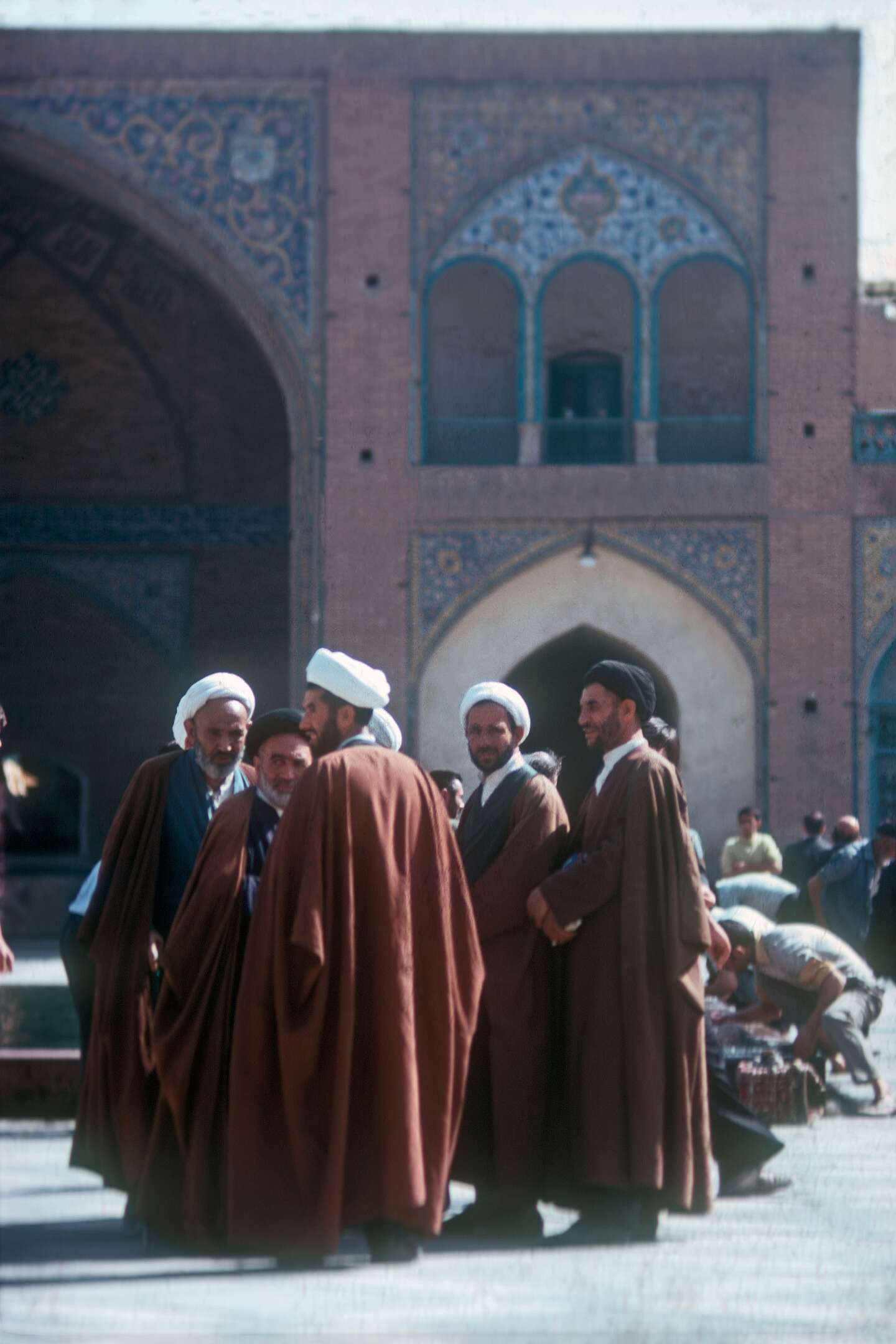
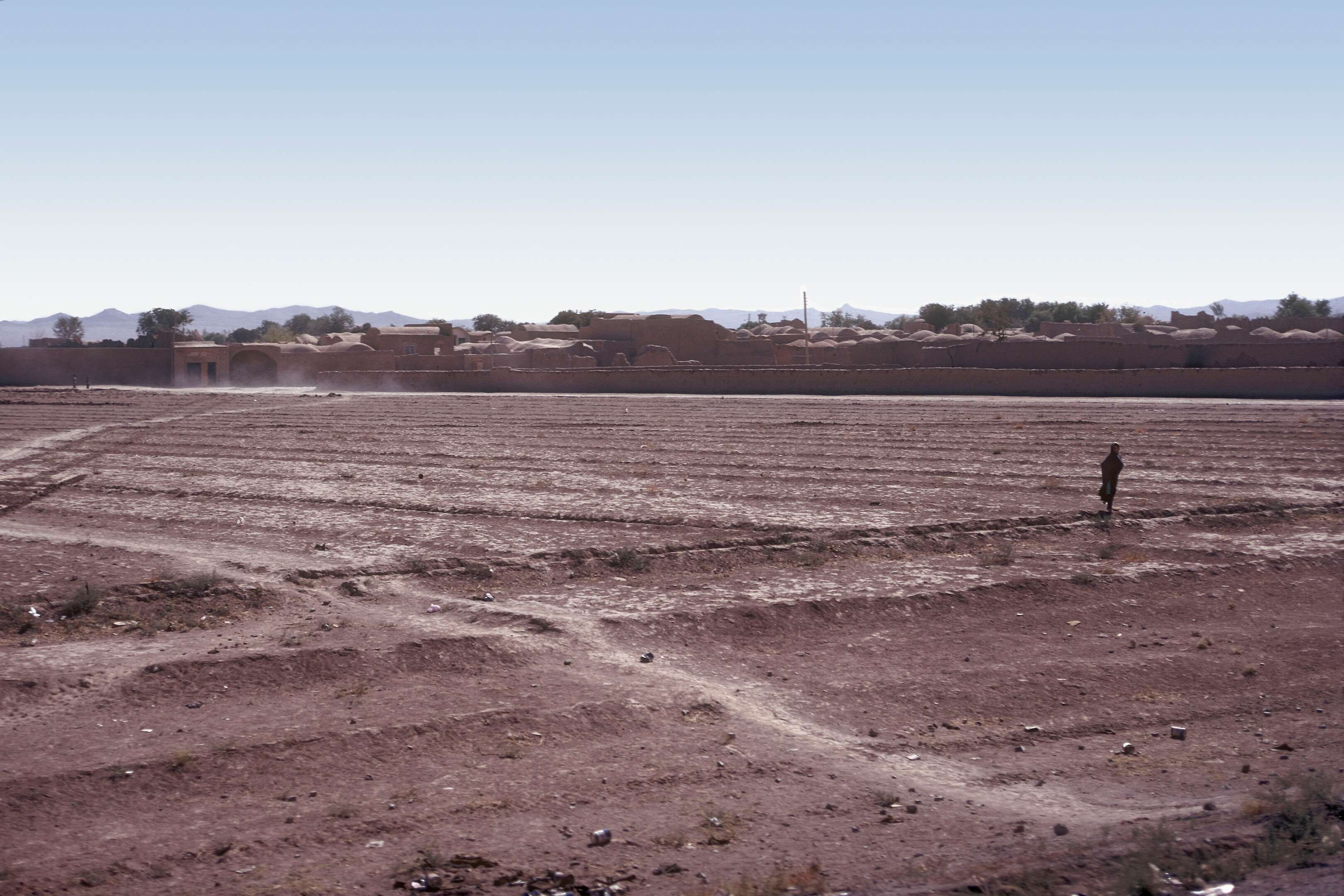
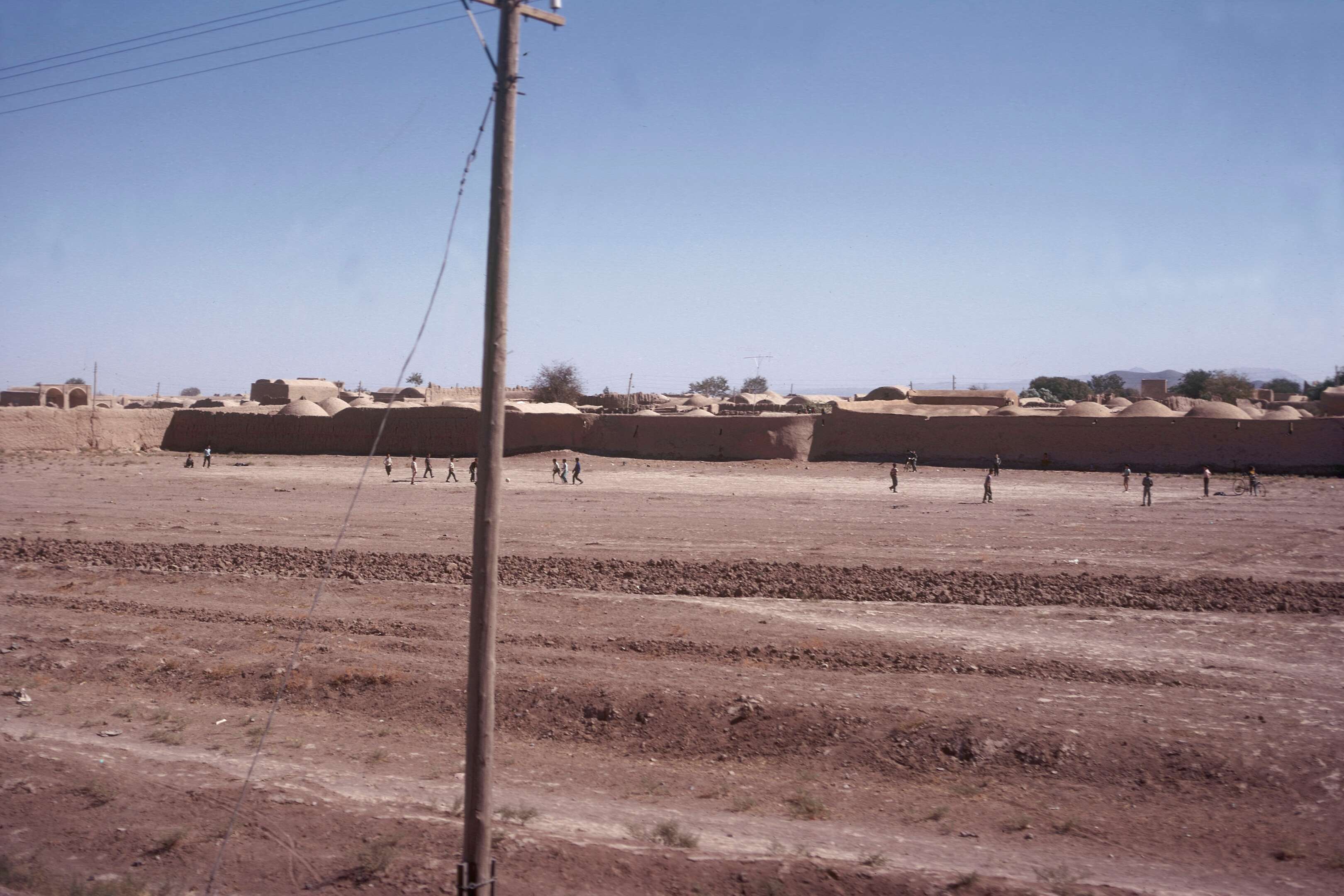
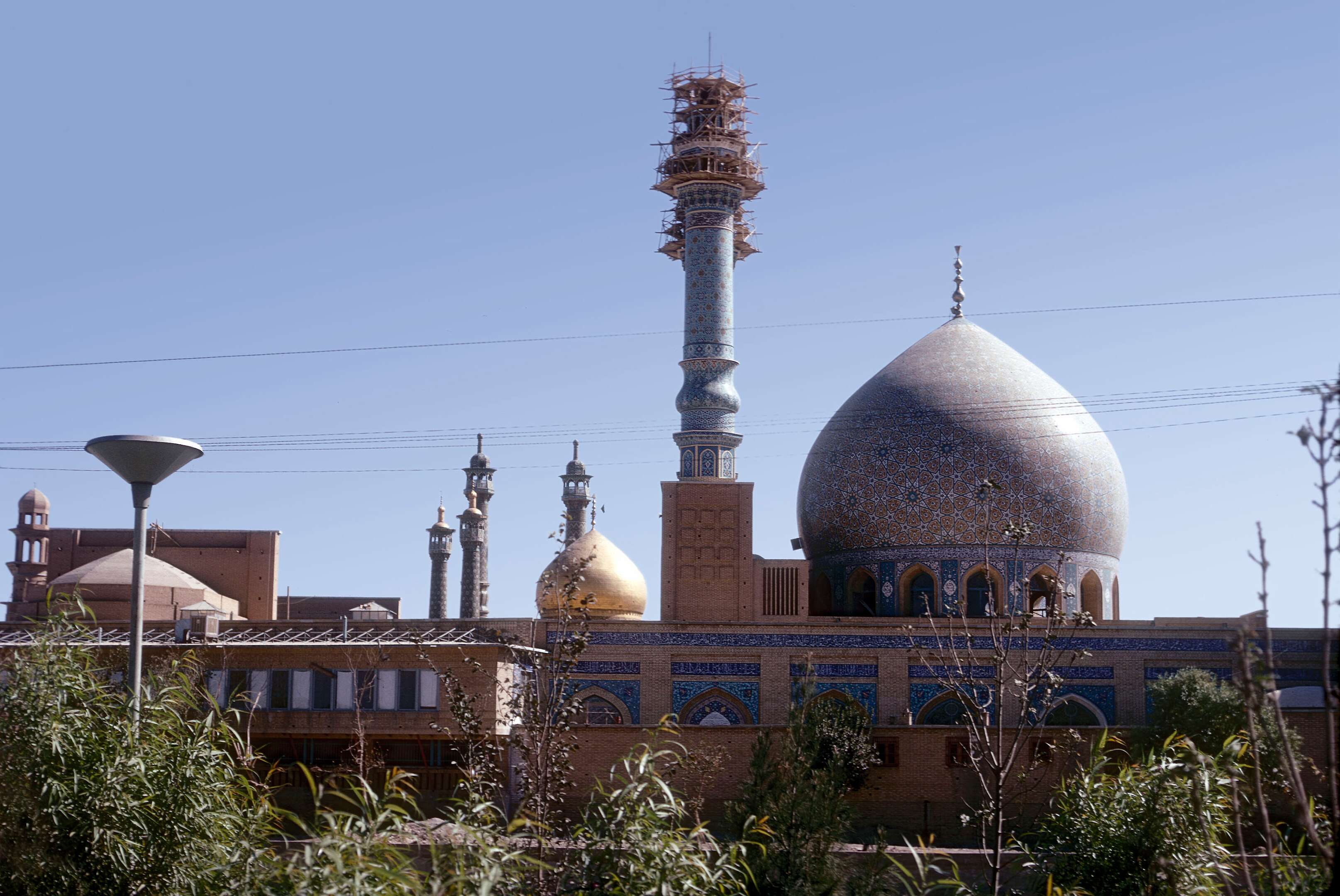
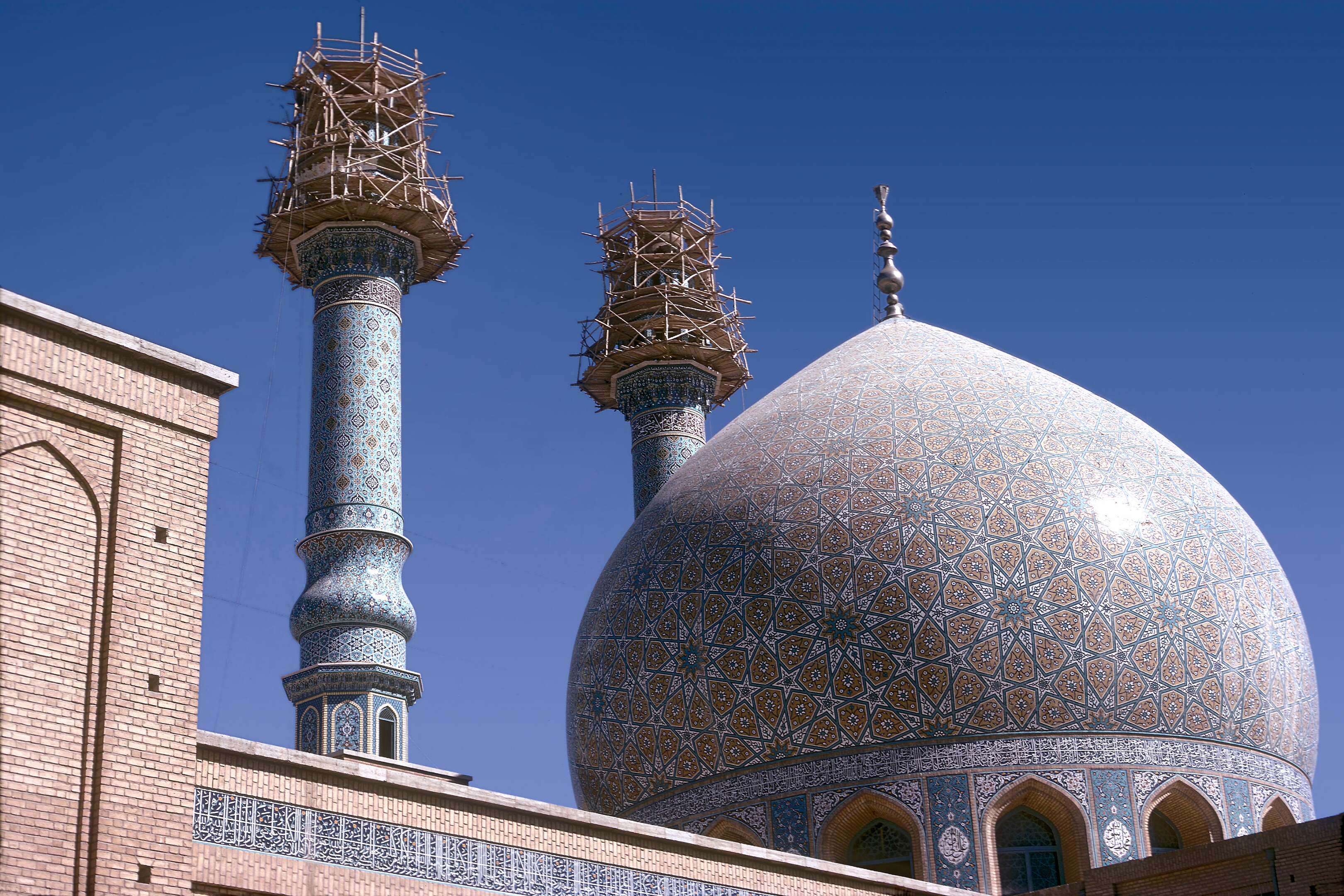
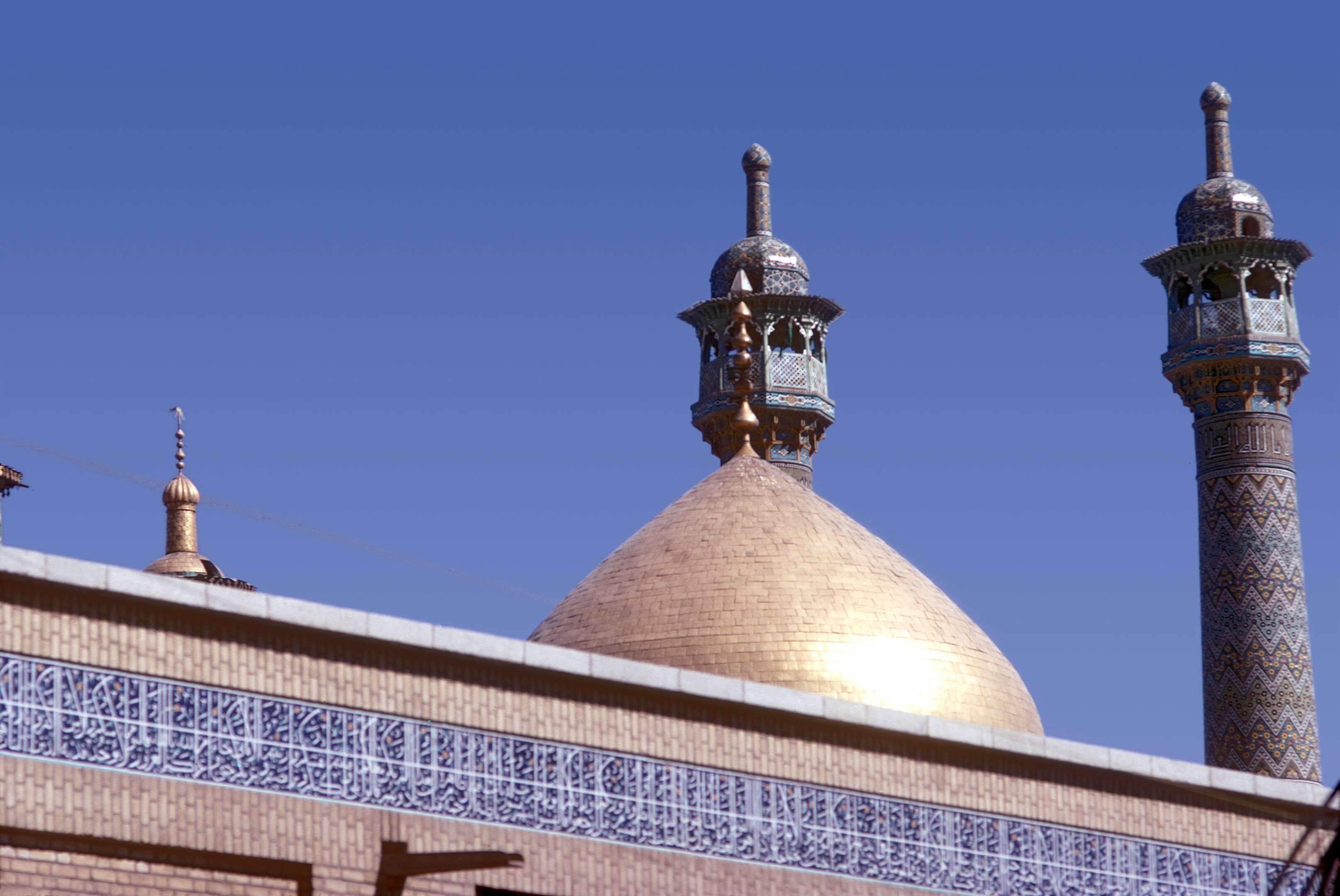
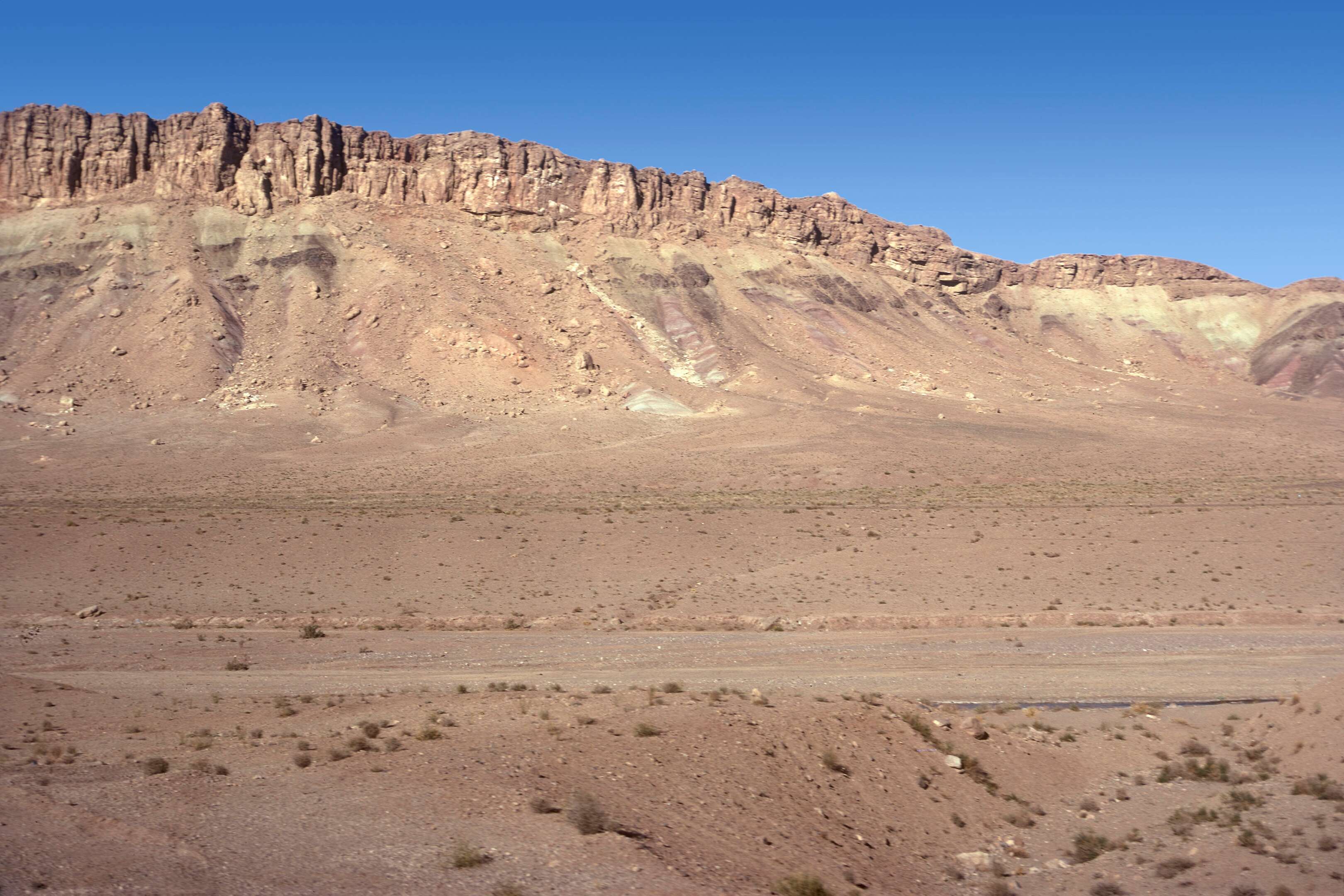
About 140 km to the south lies Qom, situated on the edge of the Dasht-e Kavir desert. Smaller and more compact, it is one of the holiest cities in Shiʿi Islam. Its importance centres on the shrine of Fatimah al-Maʿsumah, which has made it a major pilgrimage destination since the Safavid era. The city is also Iran’s foremost centre of religious learning, with numerous seminaries attracting students from across the Islamic world.
About 140 km to the south lies Qom, situated on the edge of the Dasht-e Kavir desert. Smaller and more compact, it is one of the holiest cities in Shiʿi Islam. Its importance centres on the shrine of Fatimah al-Maʿsumah, which has made it a major pilgrimage destination since the Safavid era. The city is also Iran’s foremost centre of religious learning, with numerous seminaries attracting students from across the Islamic world.